
Outdoor Surfaces Safe and Presentable Again
Patio & Outdoor Living Space Cleaning in Bloomingdale for areas with slippery algae buildup, discolored pavers, or surfaces showing mold and dirt accumulation
Algae and mold create slick films on stone, concrete, and paver surfaces, turning patios and outdoor kitchens into slip hazards during humid months. Deep cleaning removes the organic layer responsible for both the discoloration and the slippery texture, restoring traction and returning surfaces to their original color. TDM Properties cleans patios, pavers, fire pit surrounds, and outdoor seating areas in Bloomingdale using methods suited to each material—lower pressure for natural stone that can etch, higher pressure for concrete pavers that tolerate more aggressive cleaning.
The process targets dirt that settles into the textured surface of pavers and the joints between stones, where organic matter accumulates and feeds ongoing mold growth. Seasonal pollen, leaf tannins, and soil splash create layered staining that casual rinsing doesn't address, requiring cleaning solutions that break down the bonds between contaminants and the surface. This preparation also matters if you're planning to seal pavers, as sealers applied over dirty surfaces trap discoloration and fail prematurely when contaminants interfere with adhesion.
Schedule a site assessment to review your outdoor living areas and identify surfaces needing attention before entertaining season or planned improvements.
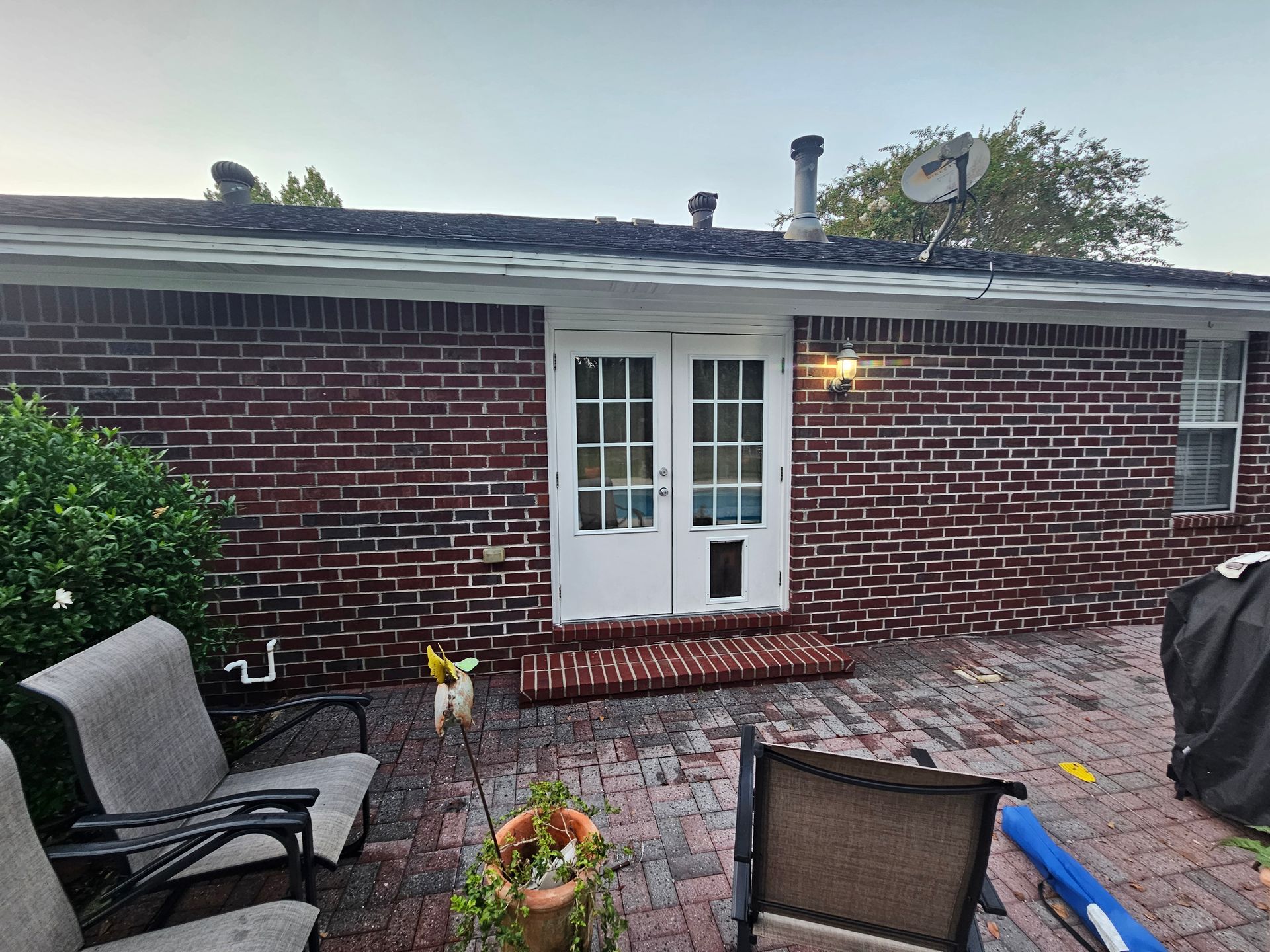
What Proper Patio Cleaning Restores
Cleaning solutions lift embedded dirt from the pores and texture of stone and concrete, while pressure rinsing clears the joints between pavers where weeds and moss take root. Polymeric sand in joints may need replacement after cleaning if it has eroded, but removing the organic material first prevents the new sand from mixing with debris. The process also addresses efflorescence, the white mineral deposits that leach from concrete and masonry when water evaporates, leaving a chalky residue that dulls the surface.
After cleaning, pavers and stone surfaces show their true color rather than the darkened, patchy appearance that develops as mold and algae spread unevenly. Outdoor kitchens and seating areas lose the slippery feel that makes bare feet or wet shoes hazardous, and the uniform appearance makes spaces feel maintained rather than neglected. Fire pit surrounds and walkways look cohesive again when all sections match in tone, without the streaking that occurs where cleaning has been attempted inconsistently.
Regular cleaning prevents the buildup from hardening into a crust that requires chemical stripping or replacement of heavily stained pavers. It also extends surface life by removing acids and organic matter that gradually etch stone and degrade concrete binders. Properly cleaned outdoor spaces are easier to maintain going forward because new dirt has less texture to cling to, and sealed surfaces shed water and stains more effectively.
Questions Before Starting Your Project
Homeowners preparing outdoor spaces for use or considering sealing typically ask about material safety, joint sand stability, and how cleaning integrates with other maintenance tasks.
What's the difference between cleaning pavers and natural stone?
Pavers are typically denser and more uniform, tolerating higher pressure and stronger cleaning agents, while natural stone like flagstone or travertine requires gentler methods to avoid etching or surface pitting. Each material has a threshold where cleaning becomes damaging rather than restorative.
Will pressure cleaning remove polymeric sand from paver joints?
Excessive pressure or direct nozzle contact can erode polymeric sand, but surface cleaners that distribute pressure evenly minimize this risk. Inspecting joints after cleaning helps determine whether re-sanding is needed before sealing or returning the area to use.
How does cleaning prepare patios for sealing?
Sealers bond to clean, dry surfaces, so removing oils, dirt, and organic growth allows the sealer to penetrate properly. Sealed pavers applied over contaminated surfaces often peel or discolor within a year because the bond never formed correctly.
Why do outdoor living areas in Bloomingdale get slippery so quickly?
High humidity and shade create conditions where algae and mold thrive, forming biofilms that coat surfaces within weeks of cleaning. Stone and concrete with textured finishes hold moisture longer than smooth surfaces, accelerating growth in areas that don't dry completely between rain events.
Can cleaning restore faded paver color?
Cleaning removes the dirt and organic staining that dulls color, but it won't reverse UV fading or color loss from chemical exposure. Pavers that have faded due to poor-quality dye or long-term sun exposure may benefit from sealing, which enriches color temporarily, but the original vibrancy won't fully return.
TDM Properties restores patios, outdoor kitchens, and living spaces across Bloomingdale where dirt, algae, and mold have created slip hazards and diminished appearance. Call (912) 921-9538 to discuss your outdoor cleaning needs and determine the best approach for your specific surfaces.