
Wood Surfaces Restored Before Refinishing
Deck & Fence Cleaning in Bloomingdale for structures showing gray weathering, mold buildup, or boards requiring preparation before staining
Mold, algae, and dirt embed into wood grain as moisture cycles through expansion and contraction, leaving spores deep enough that surface wiping won't reach them. TDM Properties cleans wood and composite decks along with fencing in Bloomingdale using pressure techniques calibrated to the material's density—lower pressure for cedar and pressure-treated pine, slightly higher for composite materials that don't absorb water the same way. The cleaning removes organic growth and oxidized wood fibers that cause the gray appearance on weathered decks, exposing fresh wood underneath that accepts stain evenly.
Deck boards and fence pickets hold moisture longer in shaded areas, which accelerates mold colonization and creates the black or green streaking common on north-facing sections. Cleaning involves applying a wood-safe cleaner that breaks down tannin stains and mildew, followed by controlled pressure rinsing that lifts debris from between deck boards and along fence rails. The process also removes the furry texture that develops on untreated wood as surface fibers loosen from UV exposure and moisture.
Arrange an on-site consultation to evaluate your deck or fence condition and establish whether additional brightening or repairs are needed before sealing.
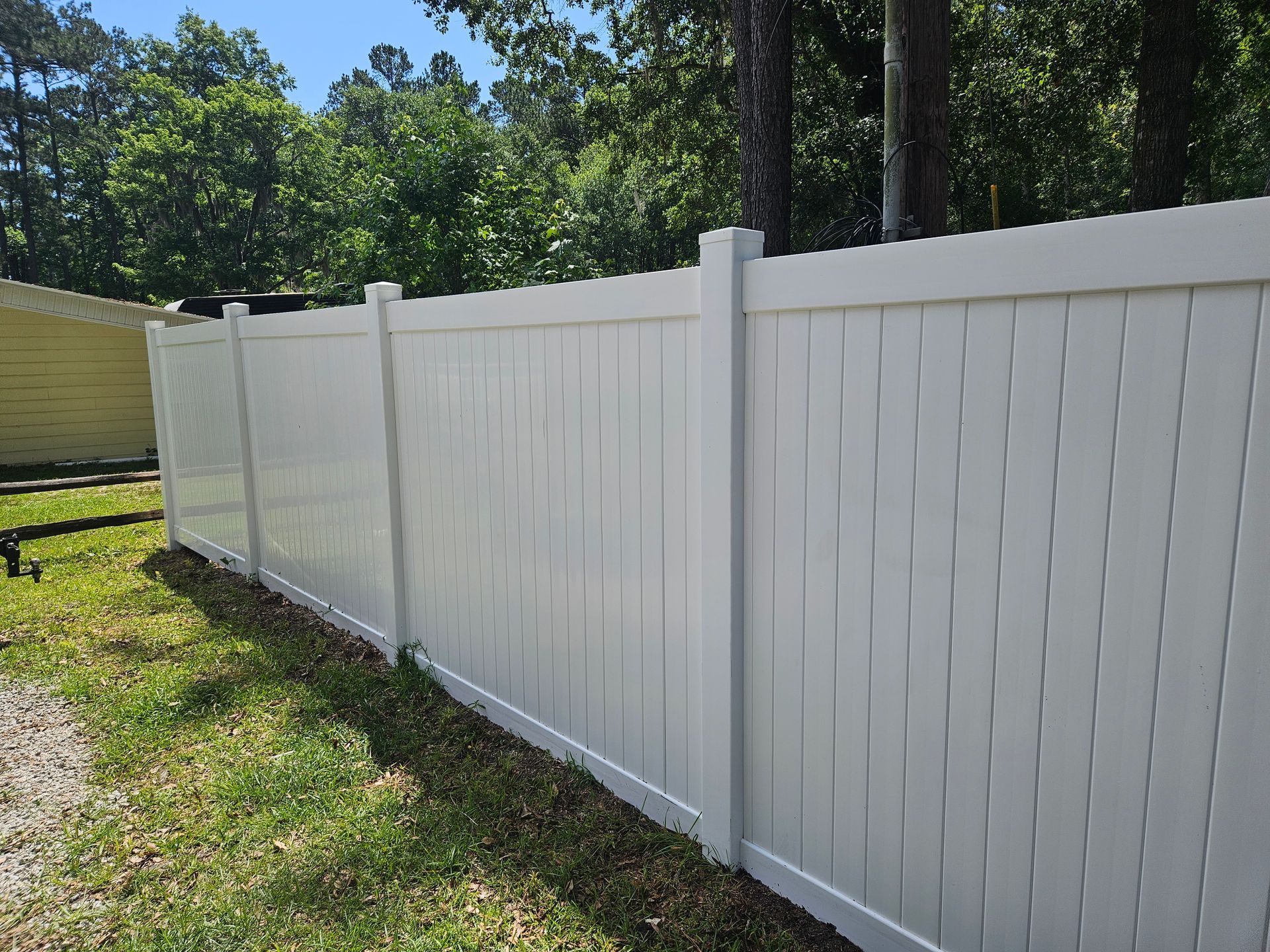
How Cleaning Extends the Life of Outdoor Structures
Wood cleaning removes the organic layer that traps moisture against the surface, which is what leads to rot in joists and posts over time. Brightening treatments can follow the initial cleaning to neutralize the wood's pH and restore its natural color, creating the warm tone that stains and sealers are designed to highlight. Composite materials benefit similarly, as cleaning removes the chalky oxidation and algae that make synthetic decking look dull and feel slippery when wet.
After cleaning, your deck or fence will show consistent color across all boards instead of the patchy appearance where some sections weather faster than others. Railings and post caps look uniform again, and any areas where mildew created dark spots will blend back into the surrounding wood tone. If you're preparing to stain, the cleaned surface allows penetration into the wood rather than sitting on top of a dirt layer, which prevents premature peeling.
Cleaning also reveals hidden damage like cracked boards, loose fasteners, or areas where rot has begun, allowing you to address structural issues before applying finish coatings. Gentle pressure techniques preserve the wood's surface integrity, avoiding the splintering and grain raising that happen when excessive force is used. Regular cleaning prevents the buildup from hardening into a layer that requires aggressive methods or chemical stripping to remove.
Answers to Frequent Service Questions
Homeowners preparing to refinish or simply maintain their outdoor structures usually ask about technique safety, timing relative to staining, and how cleaning affects different wood types.
What pressure setting is safe for wood deck cleaning?
Pressure for softwoods like pine typically stays under 1,200 psi with a wide-angle nozzle, while hardwoods and composites tolerate slightly higher pressure. Too much pressure gouges the wood and raises grain, creating a rough surface that splinters easily and holds dirt faster after cleaning.
How soon after cleaning can you apply stain or sealer?
Wood needs to dry completely before staining, which usually takes two to three days in Bloomingdale's humidity, depending on sun exposure and airflow. Moisture meters can confirm the wood has returned to an acceptable moisture content, typically below 15 percent for most stains.
Will cleaning remove old stain or sealer?
Cleaning removes loose or failing stain but won't strip solid, well-adhered coatings. If you're changing stain color or type, a separate stripping process is often needed after cleaning to remove the previous finish completely.
Why does wood turn gray even when it's treated?
Pressure-treated wood resists rot but not UV damage, which breaks down lignin in the wood fibers and causes the gray oxidation layer. Cleaning removes this layer temporarily, but without stain or sealer, the graying returns within months as UV exposure continues.
Can composite decking be safely pressure washed?
Most composite manufacturers approve pressure washing at moderate settings, but excessive pressure can damage the outer cap layer or drive water into the core material. Cleaning restores the surface without the aggressive techniques that risk delamination or surface pitting.
TDM Properties prepares decks and fences across Bloomingdale for refinishing or maintenance by removing buildup that interferes with appearance and longevity. Schedule a property evaluation to identify cleaning needs and establish a preparation plan suited to your wood or composite surfaces.